


Natural or lab-grown – an honest conversation
This question deserves an honest answer, not a commercial one.

Over the past five years, this question has arrived at every jewelry counter in the world – and it deserves an honest answer, not a commercial one.
Natural diamonds formed over one to three billion years deep within the earth’s mantle, under pressures and temperatures beyond imagination. They were brought to the surface by volcanic activity and have been used in jewelry for centuries.
Their rarity contributes to their value. A certified natural diamond holds its value over time; the resale market is established and liquid.
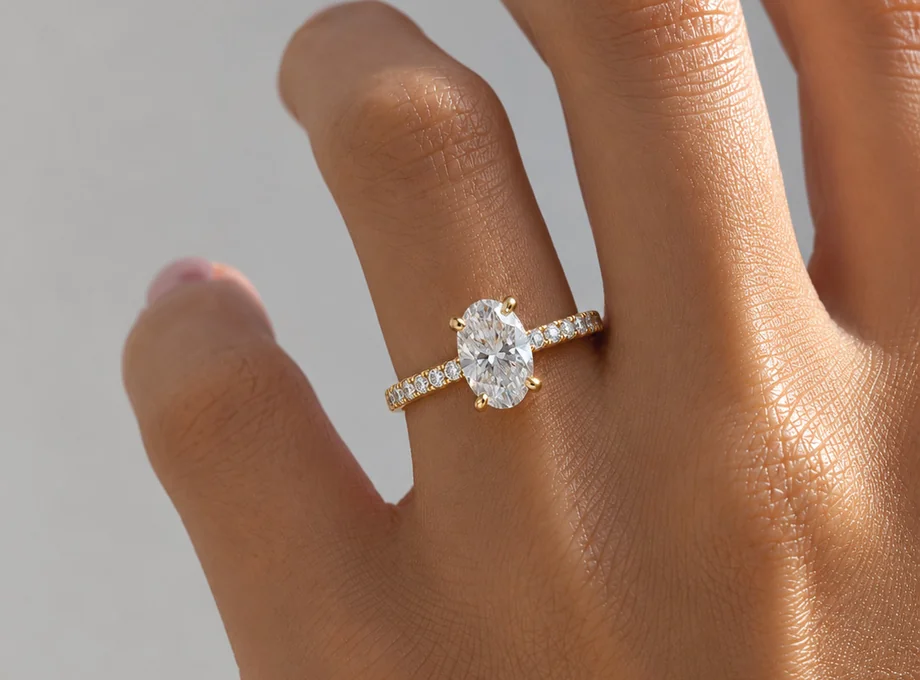
Lab-grown diamonds are physically, chemically and optically identical to natural diamonds. They are created under controlled laboratory conditions within a matter of weeks. They are not cubic zirconia or synthetic simulants – they are real diamonds, and even a gemologist can only identify them with specialist equipment.
The case for a lab-grown stone goes beyond the price:
- The same properties. Hardness, brilliance and behavior in the light are identical. Cut quality is graded to the same standards, too.
- Verifiably conflict-free origins. The place of production is known; the supply chain is short and documented.
- More stone, or a better cut, for the same budget. Lab-grown stones often cost 50 to 70 percent less for comparable quality. That allows for a larger stone, a better cut or a more elaborate setting.
- Availability. Certain combinations of shape, size and quality are available at short notice that would take a long search to find in a natural stone.
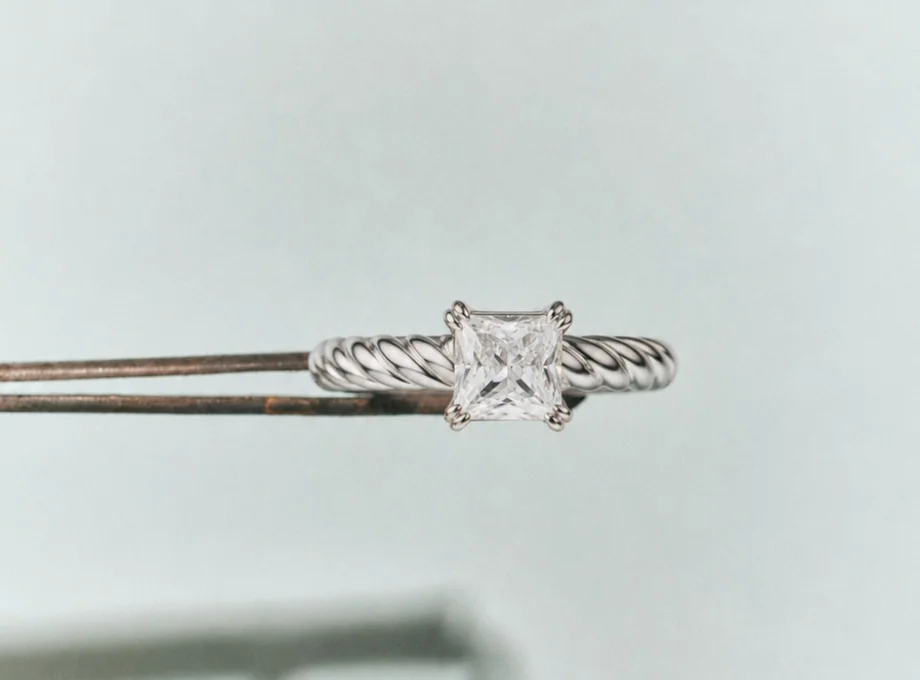
What the natural diamond stands for is just as tangible: a geological origin story, a genuinely finite supply and an established resale market.
Neither choice is wrong. The right one depends on what matters most to the person who will wear the ring – and that is a conversation worth having calmly and without pressure.

At Rauschmayer, both natural and lab-grown diamonds are available. Discover our engagement rings.

